

 Image 1 of 5
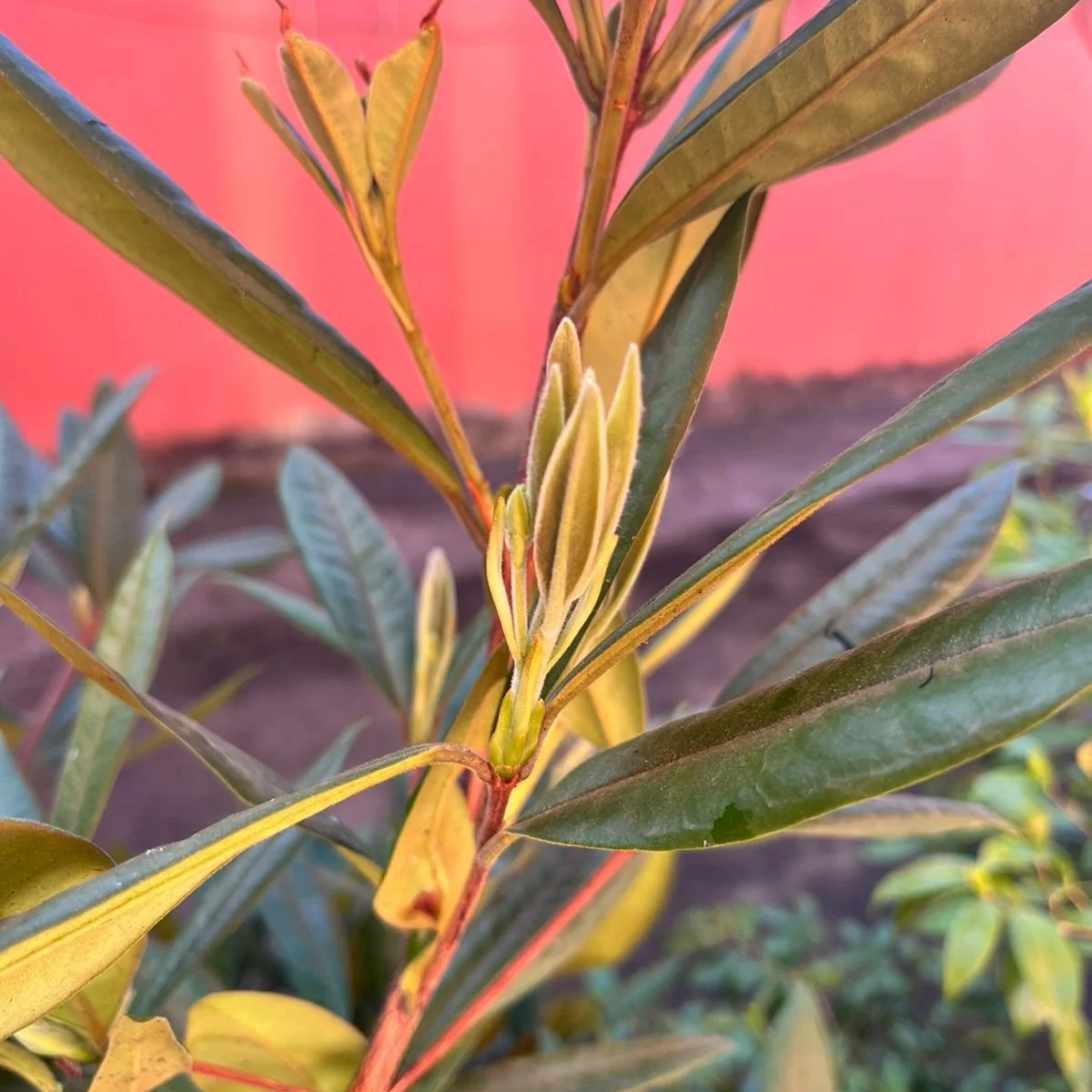 Image 2 of 5
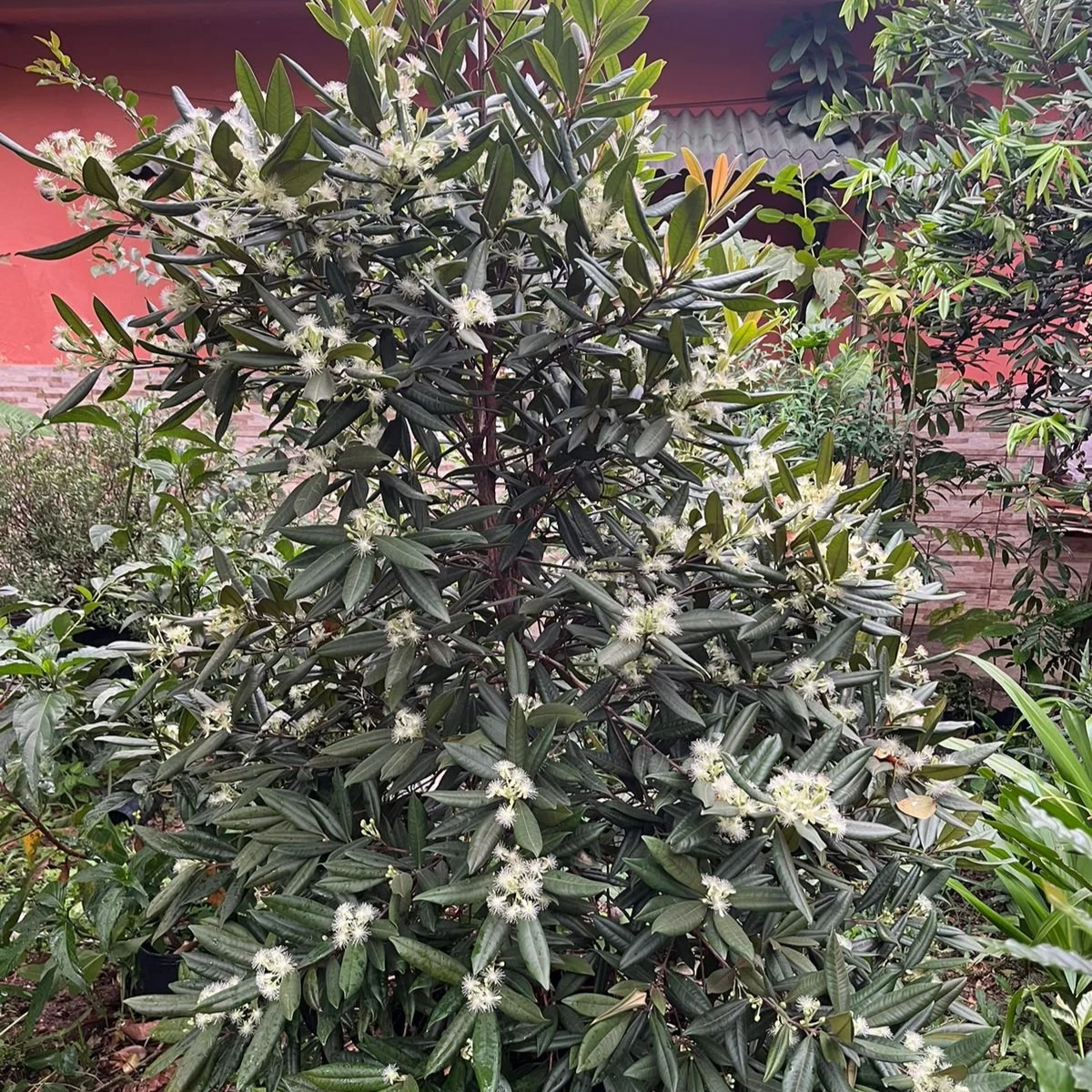 Image 3 of 5
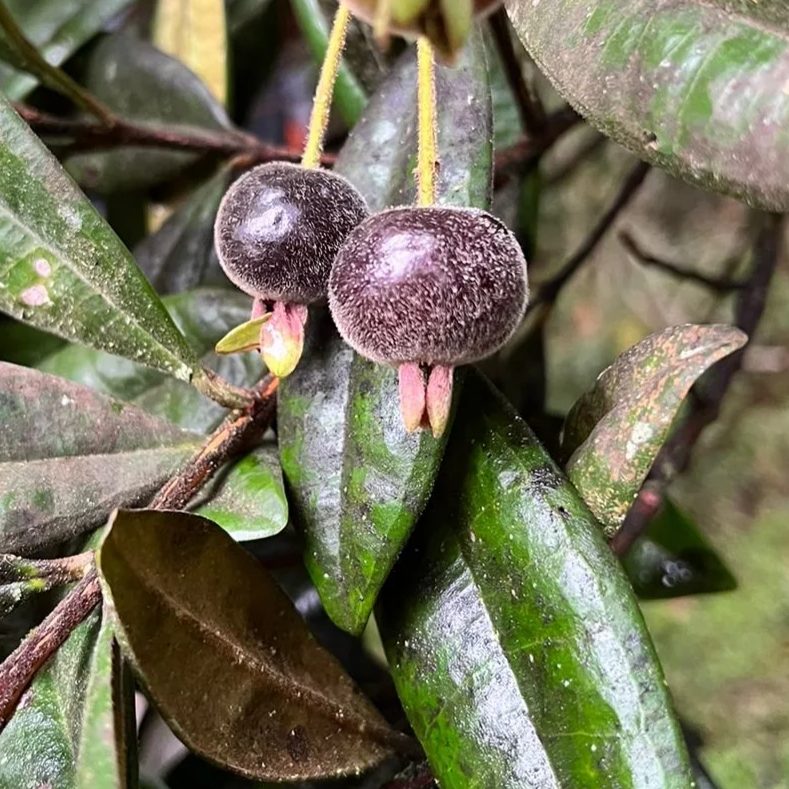 Image 4 of 5
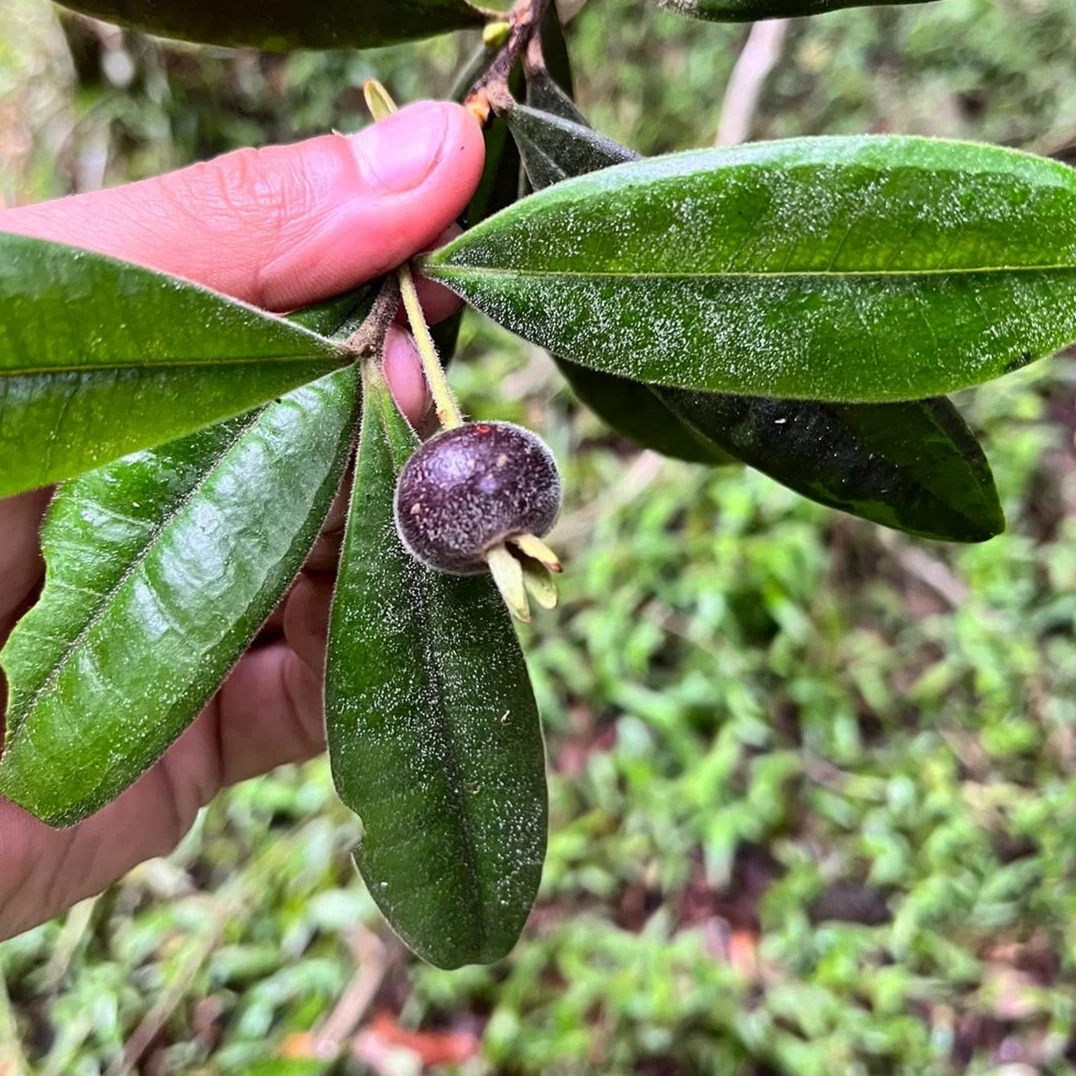 Image 5 of 5
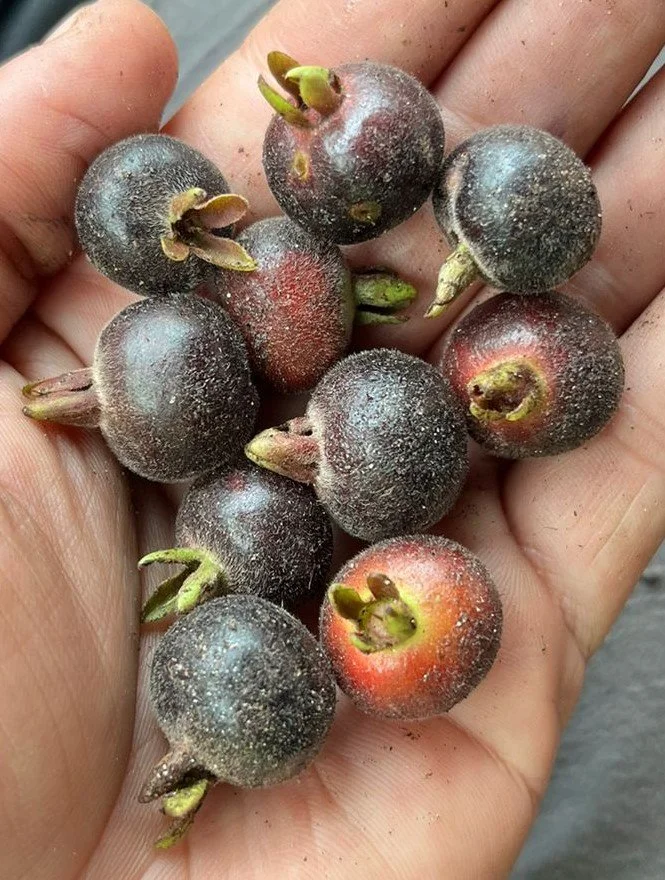
Eugenia sp. Fuzzy Grumichama is a rare and distinctive Eugenia closely related to Eugenia brasiliensis (Grumichama), easily recognized by its dense fine pubescence covering the fruits and young foliage, giving it a characteristic “fuzzy” appearance. The fruits are small to medium, round to slightly oblate, ripening from green to deep purple-black, with a densely hairy surface that extends to the peduncle and parts of the calyx. The sweet, juicy pulp is highly enjoyable and surrounds 1–2 seeds that separate easily from the flesh.
The plant develops as a small to medium-sized, well-branched shrub or tree with a dense canopy. Its narrow-elliptic to lanceolate leaves are somewhat leathery and feature fine pubescence, especially on new growth and the underside. Growth is slightly faster than standard Grumichama, and it adapts well to container cultivation. The species prefers regular watering, fertile well-drained soil, tolerates light frost, and shows good cold resilience compared to related Eugenia species.
Still under taxonomic study, Eugenia sp. Fuzzy Grumichama is rare in cultivation and highly desirable for collectors seeking unusual and ornamental Myrtaceae varieties.
Seeds are shipped in packs of 1, shipped in humid vermiculite.
Eugenia sp. Fuzzy Grumichama is a rare and distinctive Eugenia closely related to Eugenia brasiliensis (Grumichama), easily recognized by its dense fine pubescence covering the fruits and young foliage, giving it a characteristic “fuzzy” appearance. The fruits are small to medium, round to slightly oblate, ripening from green to deep purple-black, with a densely hairy surface that extends to the peduncle and parts of the calyx. The sweet, juicy pulp is highly enjoyable and surrounds 1–2 seeds that separate easily from the flesh.
The plant develops as a small to medium-sized, well-branched shrub or tree with a dense canopy. Its narrow-elliptic to lanceolate leaves are somewhat leathery and feature fine pubescence, especially on new growth and the underside. Growth is slightly faster than standard Grumichama, and it adapts well to container cultivation. The species prefers regular watering, fertile well-drained soil, tolerates light frost, and shows good cold resilience compared to related Eugenia species.
Still under taxonomic study, Eugenia sp. Fuzzy Grumichama is rare in cultivation and highly desirable for collectors seeking unusual and ornamental Myrtaceae varieties.
Seeds are shipped in packs of 1, shipped in humid vermiculite.