

 Image 1 of 1
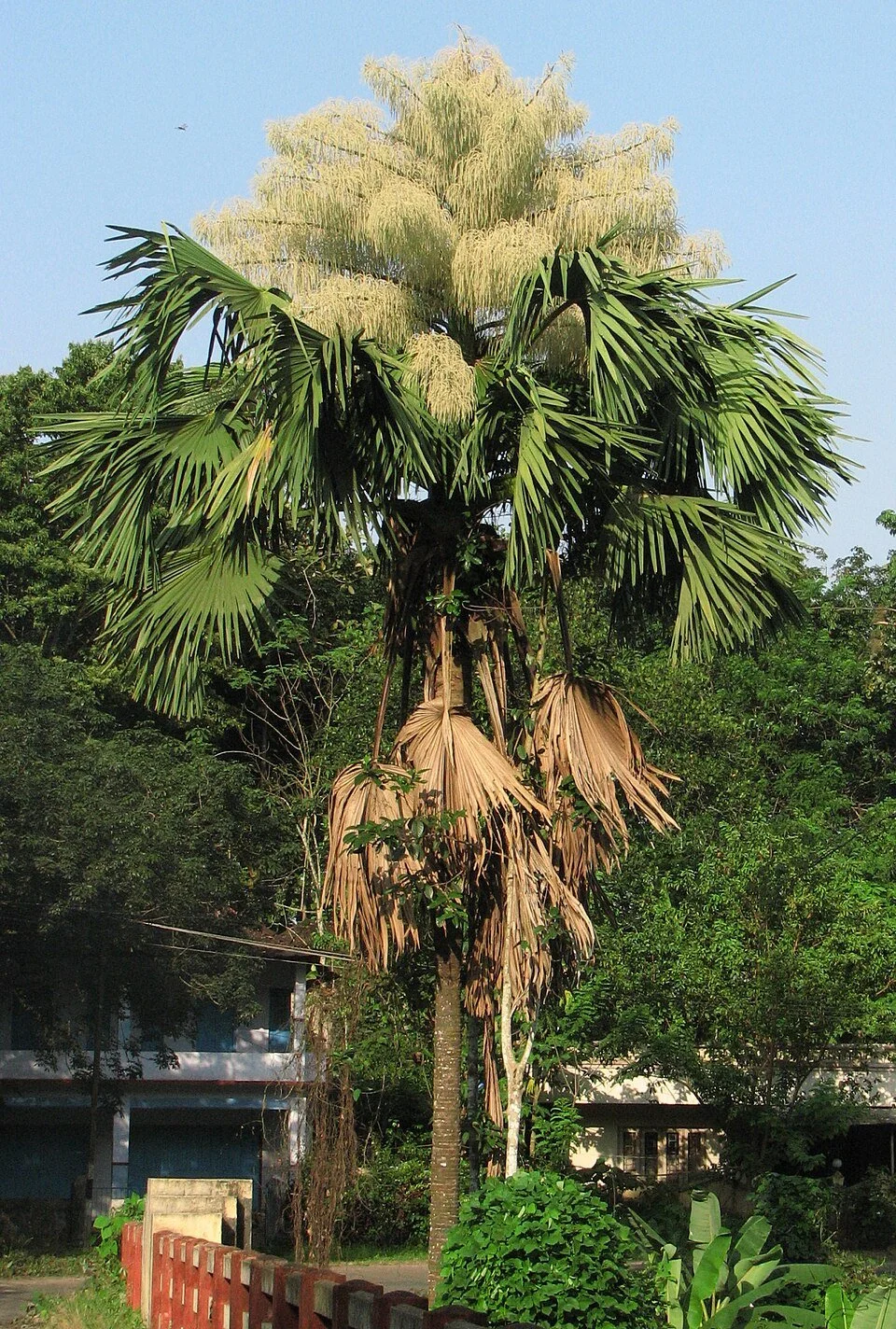
Corypha umbraculifera, commonly known as the Talipot Palm, is one of the most spectacular and largest palms in the world, native to southern India and Sri Lanka. This massive, solitary palm is famous for its enormous fan-shaped leaves, which can reach several meters across, making it a striking architectural centerpiece in tropical and subtropical landscapes. The palm is monocarpic, meaning it flowers only once at the end of its life cycle, producing one of the largest inflorescences in the plant kingdom before naturally declining.
The Talipot Palm thrives in warm, humid climates with ample rainfall and performs best in deep, well-drained soils under full sun. Due to its size and dramatic appearance, it is best suited for large gardens, parks, and botanical collections. Beyond its ornamental value, it has historical and cultural importance, as its leaves were traditionally used for writing manuscripts and thatching.
Seeds are sold in packs of one, and shipped in humid vermiculite.
Corypha umbraculifera, commonly known as the Talipot Palm, is one of the most spectacular and largest palms in the world, native to southern India and Sri Lanka. This massive, solitary palm is famous for its enormous fan-shaped leaves, which can reach several meters across, making it a striking architectural centerpiece in tropical and subtropical landscapes. The palm is monocarpic, meaning it flowers only once at the end of its life cycle, producing one of the largest inflorescences in the plant kingdom before naturally declining.
The Talipot Palm thrives in warm, humid climates with ample rainfall and performs best in deep, well-drained soils under full sun. Due to its size and dramatic appearance, it is best suited for large gardens, parks, and botanical collections. Beyond its ornamental value, it has historical and cultural importance, as its leaves were traditionally used for writing manuscripts and thatching.
Seeds are sold in packs of one, and shipped in humid vermiculite.