

 Image 1 of 4
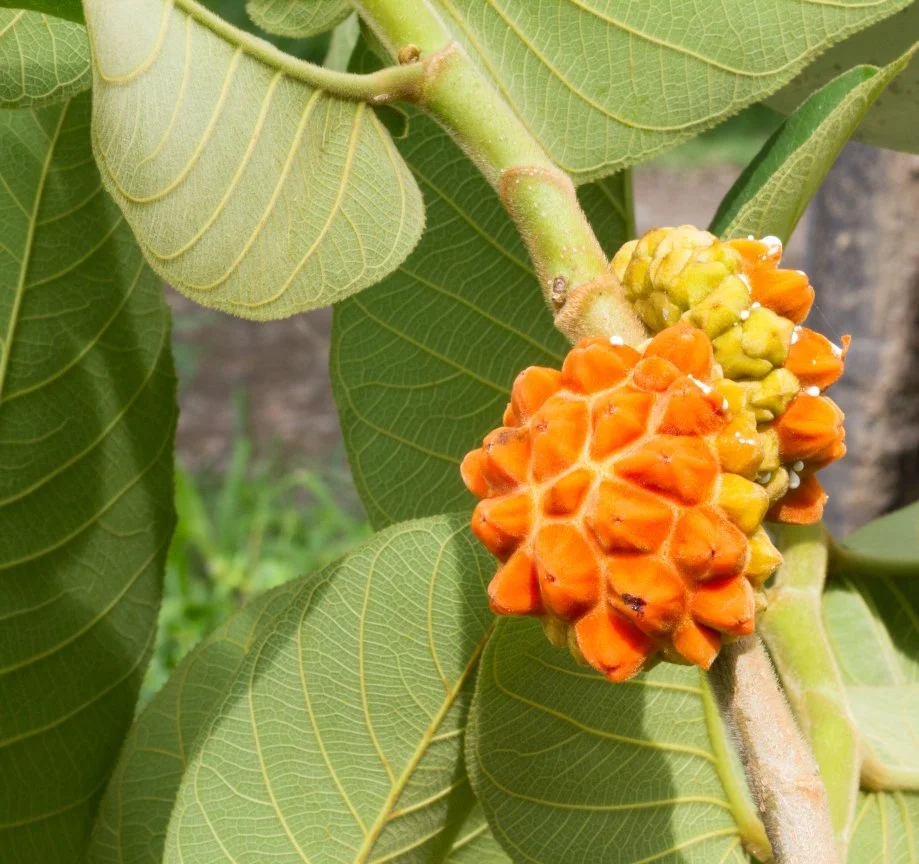 Image 2 of 4
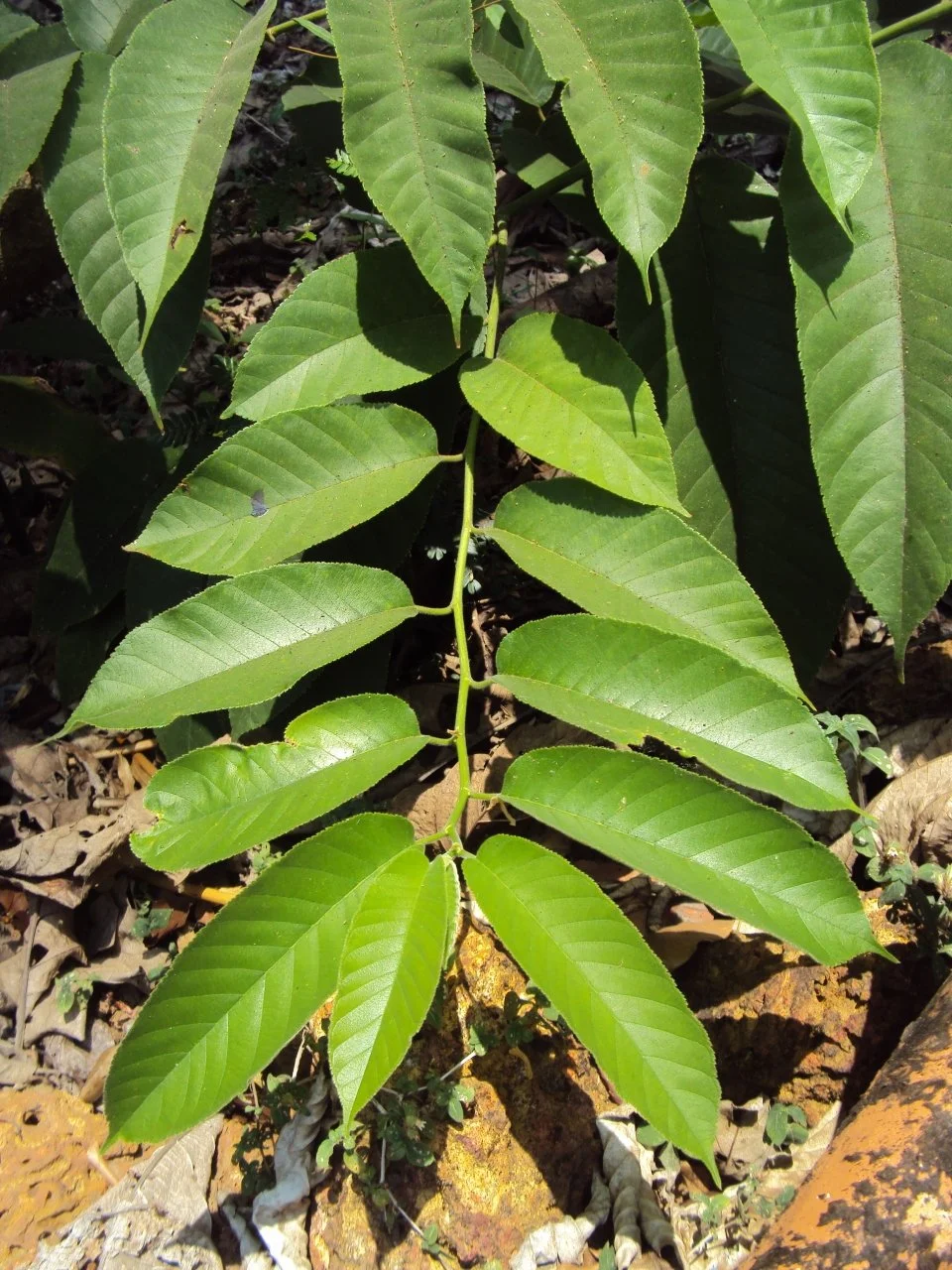 Image 3 of 4
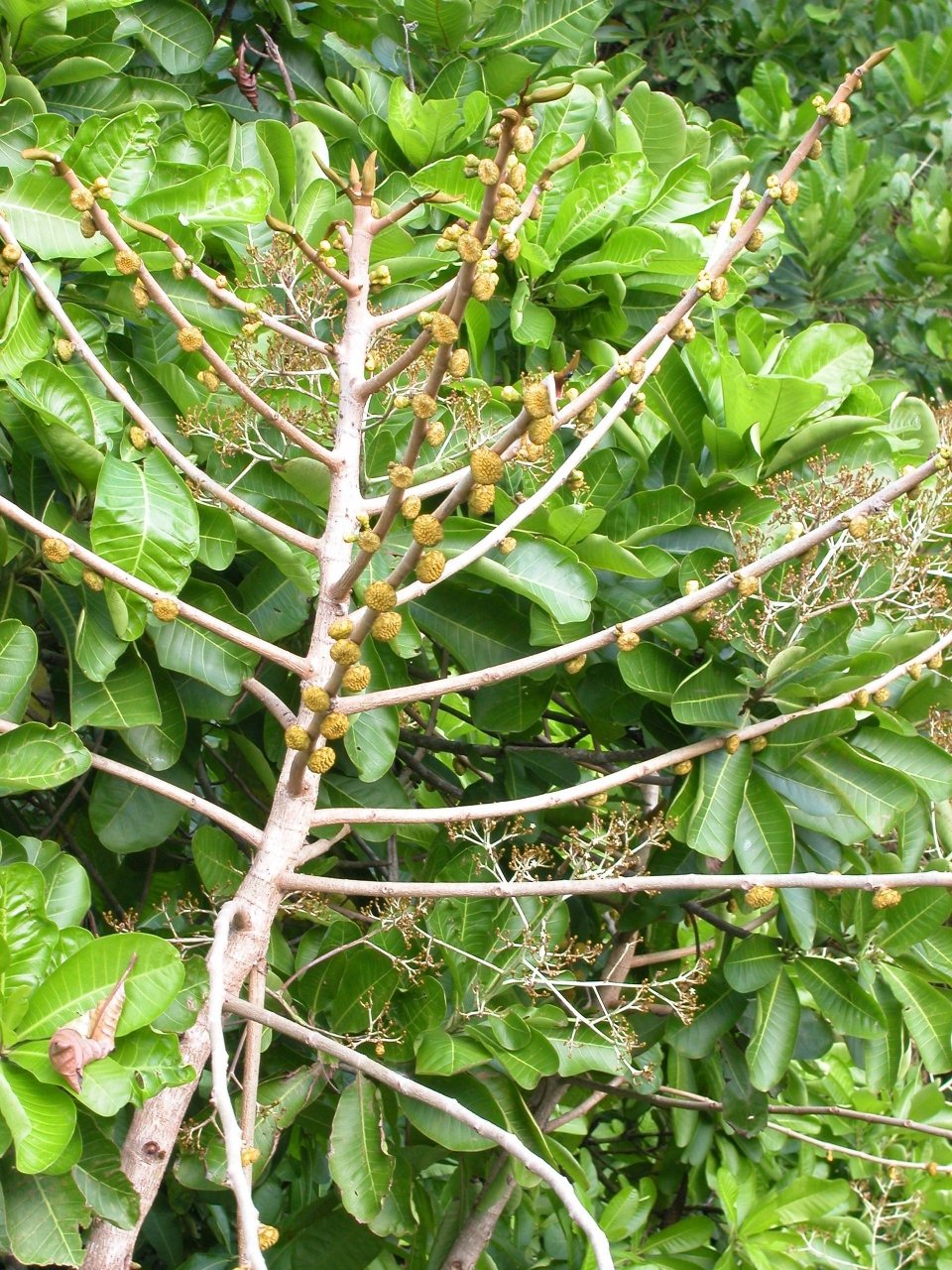 Image 4 of 4
Castilla elastica, commonly known as the Panama rubber tree or Mexican rubber tree, is a large tropical tree native to Mexico, Central America, and parts of northern South America. A member of the Moraceae family, it naturally grows in warm, humid lowland forests, where it can reach heights of 20–30 meters. The species is historically significant as one of the original sources of natural rubber used by ancient Mesoamerican civilizations.
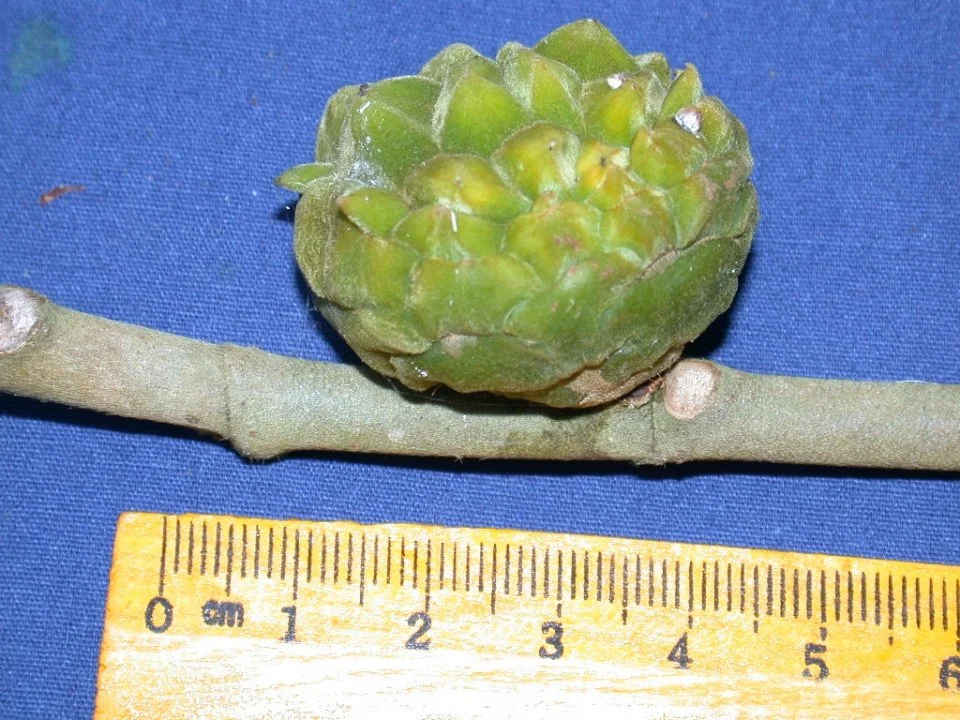
The tree produces small, rounded orange to reddish-orange fruits that are edible when ripe. The soft pulp has a mildly sweet flavor and is enjoyed by wildlife as well as people in its native range. Like other members of the fig family, the fruits develop directly from specialized flower structures, giving the tree ornamental interest during the fruiting season.
In addition to its edible fruit, Castilla elastica is valued for its broad canopy, lush tropical appearance, and historical importance. It thrives in frost-free climates with abundant moisture and makes an impressive specimen tree for botanical collections, agroforestry projects, and tropical landscapes.
Seeds are shipped in packs of 1, shipped in humid vermiculite.
Castilla elastica, commonly known as the Panama rubber tree or Mexican rubber tree, is a large tropical tree native to Mexico, Central America, and parts of northern South America. A member of the Moraceae family, it naturally grows in warm, humid lowland forests, where it can reach heights of 20–30 meters. The species is historically significant as one of the original sources of natural rubber used by ancient Mesoamerican civilizations.
The tree produces small, rounded orange to reddish-orange fruits that are edible when ripe. The soft pulp has a mildly sweet flavor and is enjoyed by wildlife as well as people in its native range. Like other members of the fig family, the fruits develop directly from specialized flower structures, giving the tree ornamental interest during the fruiting season.
In addition to its edible fruit, Castilla elastica is valued for its broad canopy, lush tropical appearance, and historical importance. It thrives in frost-free climates with abundant moisture and makes an impressive specimen tree for botanical collections, agroforestry projects, and tropical landscapes.
Seeds are shipped in packs of 1, shipped in humid vermiculite.