

 Image 1 of 5
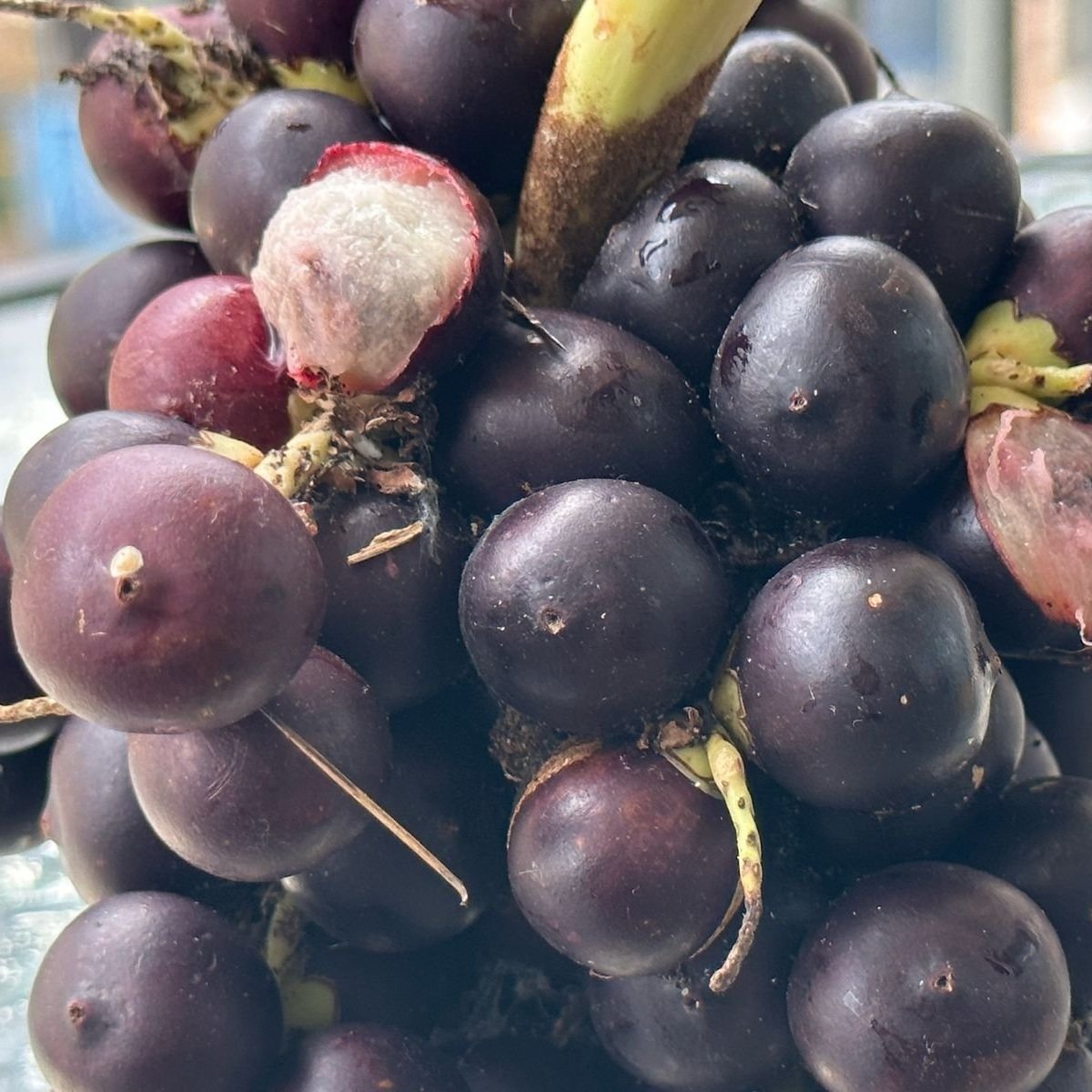 Image 2 of 5
 Image 3 of 5
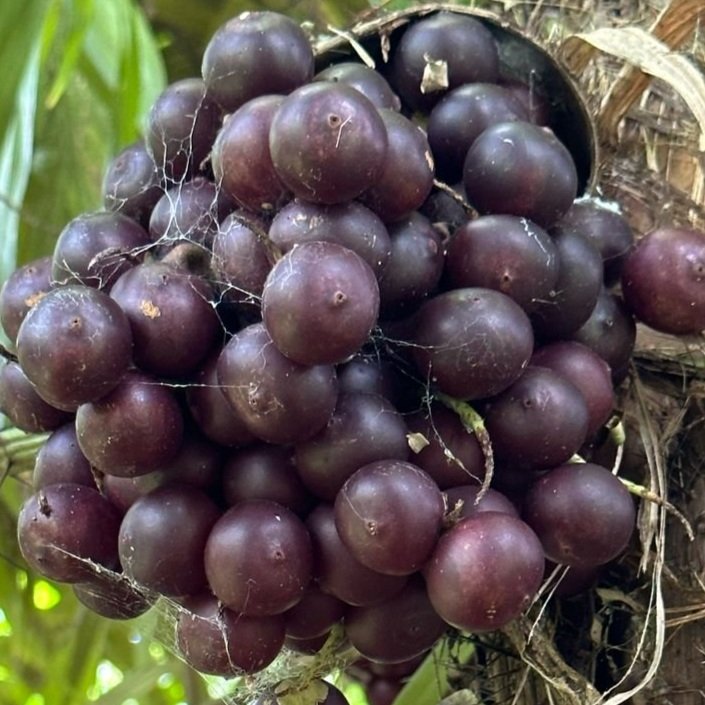 Image 4 of 5
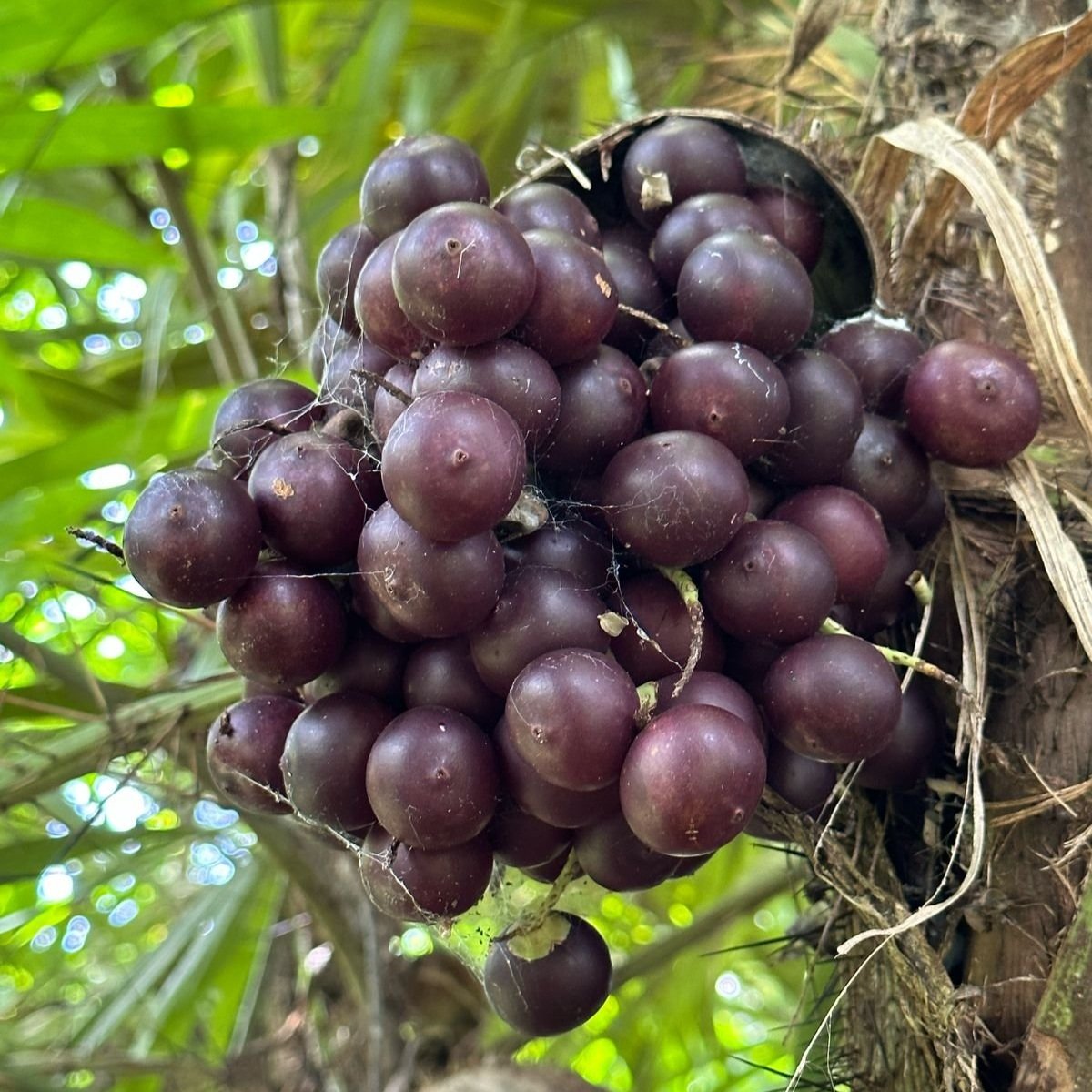 Image 5 of 5
Bactris setosa is a unique and spiny clustering palm native to the Atlantic Forest and adjacent tropical regions of eastern and southern Brazil, occurring from Bahia through Espírito Santo, Rio de Janeiro, São Paulo, Paraná, Santa Catarina, and Rio Grande do Sul. It typically grows in lowland forests, swampy areas, and seasonally flooded habitats, forming dense clumps of slender, spiny stems that can reach roughly 1.5–6 meters tall. The stems, petioles, and leaf rachises are often covered in flattened, yellow‑to‑black spines, giving the plant a formidable but striking presence in the landscape.
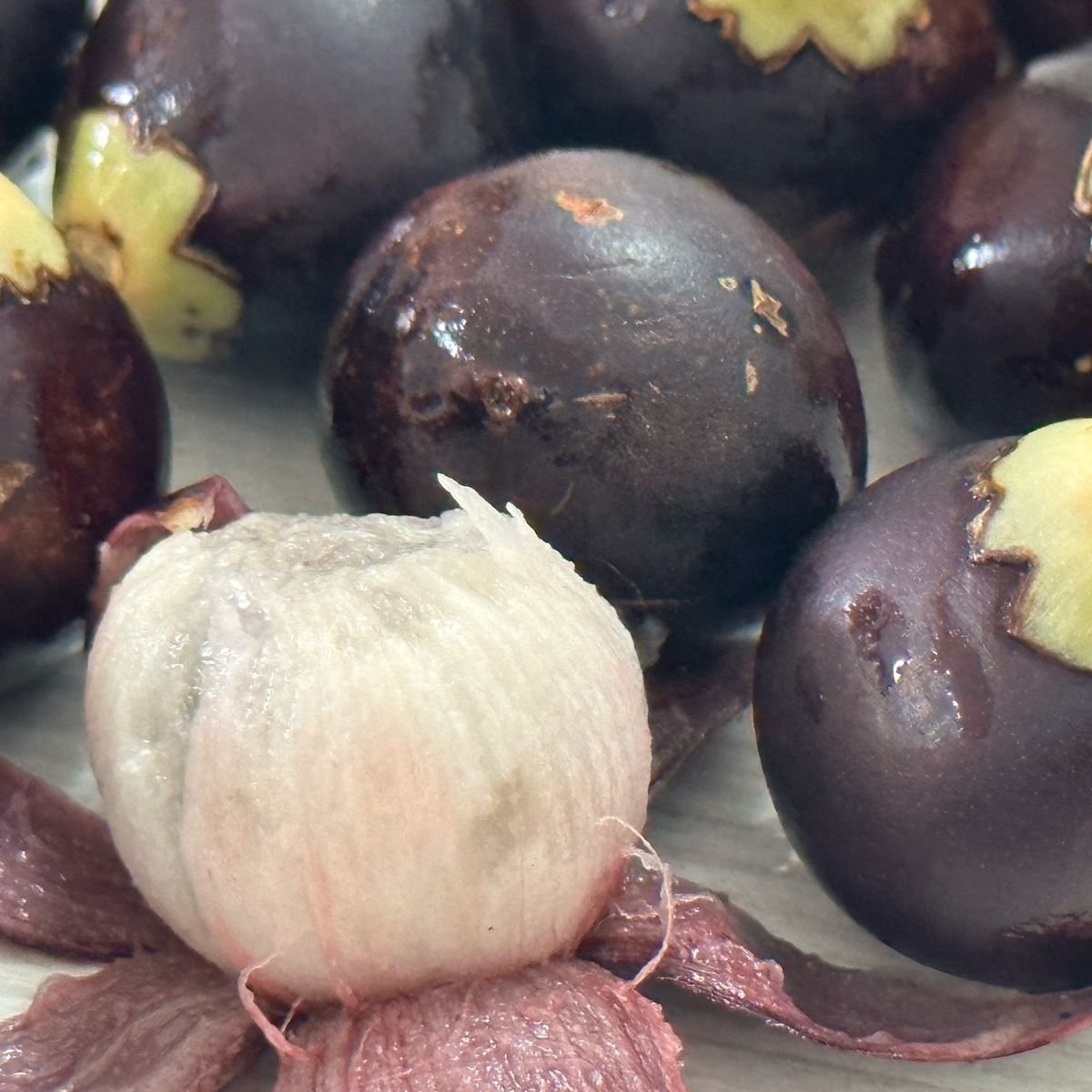
This palm produces pinnate leaves with numerous feather‑like leaflets and bears small, rounded fruits approximately 1.2–2.1 cm in diameter. When ripe, the fruits turn purple‑black and are juicy with a sweet, mildly grape‑like flavor, making them popular with birds, mammals, and local human harvesters. The fruits are rich in antioxidants and phenolic compounds, especially in the peel, giving them potential nutritional and functional value beyond fresh consumption.
Ecologically, Bactris setosa provides valuable food and habitat for wildlife and helps stabilize soil in its native wetland and forest environments. Various parts of the plant have traditional uses: fibers from the leaves for crafts and fishing nets, seeds for oil, and fruits for homemade beverages and liqueurs. Despite its spiny nature, its ornamental form and adaptability make it a prized addition to botanical collections, specialty plantings, and tropical gardens.
Seeds are sold in packs of one. They are shipped in humid vermiculite.
Bactris setosa is a unique and spiny clustering palm native to the Atlantic Forest and adjacent tropical regions of eastern and southern Brazil, occurring from Bahia through Espírito Santo, Rio de Janeiro, São Paulo, Paraná, Santa Catarina, and Rio Grande do Sul. It typically grows in lowland forests, swampy areas, and seasonally flooded habitats, forming dense clumps of slender, spiny stems that can reach roughly 1.5–6 meters tall. The stems, petioles, and leaf rachises are often covered in flattened, yellow‑to‑black spines, giving the plant a formidable but striking presence in the landscape.
This palm produces pinnate leaves with numerous feather‑like leaflets and bears small, rounded fruits approximately 1.2–2.1 cm in diameter. When ripe, the fruits turn purple‑black and are juicy with a sweet, mildly grape‑like flavor, making them popular with birds, mammals, and local human harvesters. The fruits are rich in antioxidants and phenolic compounds, especially in the peel, giving them potential nutritional and functional value beyond fresh consumption.
Ecologically, Bactris setosa provides valuable food and habitat for wildlife and helps stabilize soil in its native wetland and forest environments. Various parts of the plant have traditional uses: fibers from the leaves for crafts and fishing nets, seeds for oil, and fruits for homemade beverages and liqueurs. Despite its spiny nature, its ornamental form and adaptability make it a prized addition to botanical collections, specialty plantings, and tropical gardens.
Seeds are sold in packs of one. They are shipped in humid vermiculite.